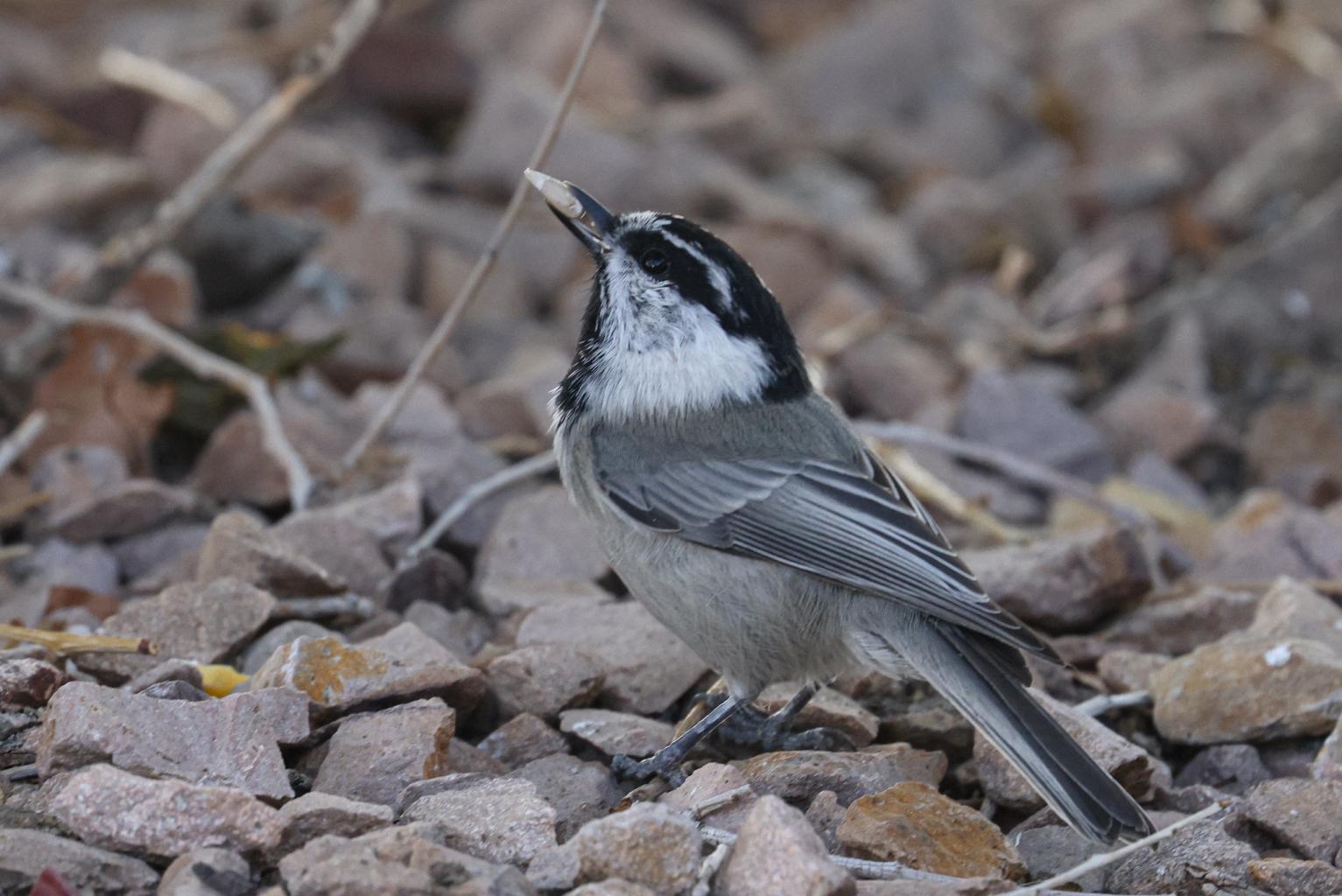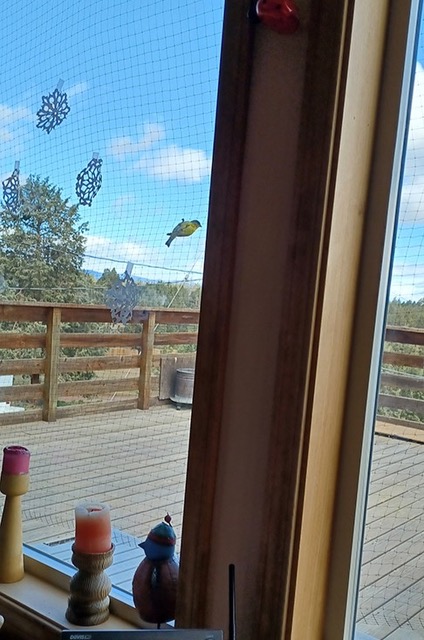
(I am marginally open, limited intake to smaller songbirds and certain species.)
I would like to provide some guidance on what to do when a bird hits a window, since we are still in the migration period.
Before we go here – to understand the gravity of a window collision, imagine flying down a hill on a bike going 20-30 mph and hitting a cement wall, head first. Birds hit our windows fast and hard. Yes, sometimes they ricochet off, but those that are forced to land are harmed.
There are many circulating myths about what to do found on the internet. Most are deadly for birds.
1) A bird that flies off is obviously fine.
2) A bird is just “stunned” from hitting a window.
3) A bird that waits 15 minutes (or longer) has recovered and is safe to fly off.
4) Finally, “I did not see the collision, so therefore it is not a window strike.” Or, “birds do not hit my windows.” For those who sit 24/7 at each of their windows, this might be said. Otherwise, data shows otherwise.
These are all myths – with no substantive backup given current research. (I am mainly citing a 2024 journal article that studied 3100 building collision cases and data from avian rehabilitation centers).
Best practice post-collision protocols have been determined by some of our largest rehabilitation centers and organizations like Fatal Light Awareness Program in Canada (which has extensive collision monitoring) and the American Bird Conservancy which has the most in-depth window-collision research.
Birds are rarely okay after hitting a window and flying off.
Mortality now is confirmed to be substantially underestimated and experts believe that most birds that fly off will perish from their injuries, from starvation from inability to forage, hypothermia leading to starvation, or inability to escape predators.
- Many birds in a ‘flight or fight’ state will be able to fly some distance.
- Collisions cause concussion in 95% of cases, from minor shock and headache to bleeding in the brain.
- Injuries you may not see – air sacs, fractures, eyes, subsequent hematomas, internal damage, neurological, delayed effects.
- Being “stunned” is an injury. Even minor impairment causes pain and continued shock, cognitive impacts, and extended need for rest.
- Bird injuries are many, and many do not affect flight. Flight is not the only injury we look for and that should be assessed.
- Delayed effects – torticollis and other neuro signs may not show up for 1-3 days, air sac damage (subcutaneous emphysema) also may be delayed. Hematomas as well are often 1-3 days to show.
Whether the impacts are limited to shock and concussion or are more severe, all result in birds that cannot eat or forage, have a hard time thermoregulating (staying warm), and succumbing to pain or injuries.
- Spending time huddled in a tree trying to recover and unable to stay warm due to shock, kills birds.
- Lack of function results in immediate starvation and hypothermia.
- Smaller birds – hummingbirds, kinglets, pygmy nuthatch, swallows, chickadees, some thrush, waxwing – starve within 24-48 hours.
- Inability to adequately respond to threats, results in quick predation.
- A bird that allows you to pick it up or get close, is an impaired bird.
Waiting to see if the bird flies off simply allows hypothermia to set in or the bird to get picked off by a predator. Since we know now that birds that fly off most often die, not intervening is a death sentence.
Best practice protocols recommended by FLAP, ABC, avian rehabilitators, and Native Bird Care are as follows:
- Collect the bird immediately, while the bird is immobilized and in shock.
- Place in a small box or brown paper bag (a gift bag works great) on top of a small towel for warmth and comfort. Cover.
- Bring inside and put in a quiet, warm room away from noise. Do not feed or water (hospital patients need medical care not the cafeteria).
- Text a picture to your closest avian rehabilitator.
- Be prepared to transport asap.
Native Bird Care protocols:
We intake every window stricken bird we are called on. So, plan on transporting or meeting up with us somewhere. The sooner the better.
Why? Because that is what saves birds.
The quicker I can stabilize the bird, assess their injuries, and then provide heat and medications like anti-inflammatories and pain meds, the higher their chance of survival.
I may only observe the bird overnight or for two days, but this results in their best chance to overcome the initial impact. It’s like us being held overnight after our bike crash for observation at the hospital. I can also prevent starvation by hand-feeding and offering hydration. (Please do not do this, much goes into when and how to do this on an impaired bird).
Our initial call will determine what to do next. There is the rare situation that a bird is so marginally harmed that they may be able to fly off. HOWEVER, this is determined with the bird in a box, safe, warm, and being allowed quiet time. Assessment should never be done with the bird outside!