Injured bird? Find local resources. Close

ECBA News

Caring for Winter Hummingbirds

Caring for Winter Hummingbirds

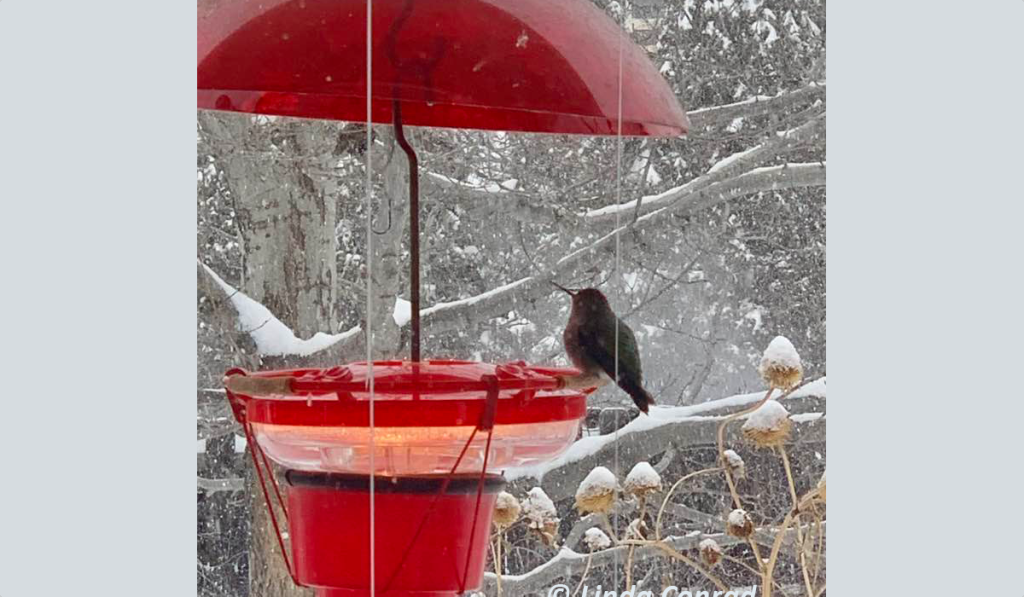
Hummingbirds are remarkable little survivors. Despite their tiny bodies and extraordinarily high metabolisms, some can endure winter conditions that seem almost impossible. But surviving an occasional freezing night and surviving weeks of severe winter weather are two very different things.
Photo by Linda Conrad
Read More > Caring for Winter Hummingbirds
birdability2

Birdability

Birdability Week is a celebration of birders with disabilities and other health concerns, as well as an opportunity to share resources and ideas to help the birding community become accessible, inclusive, and welcoming to everybody!
Read More > Birdability
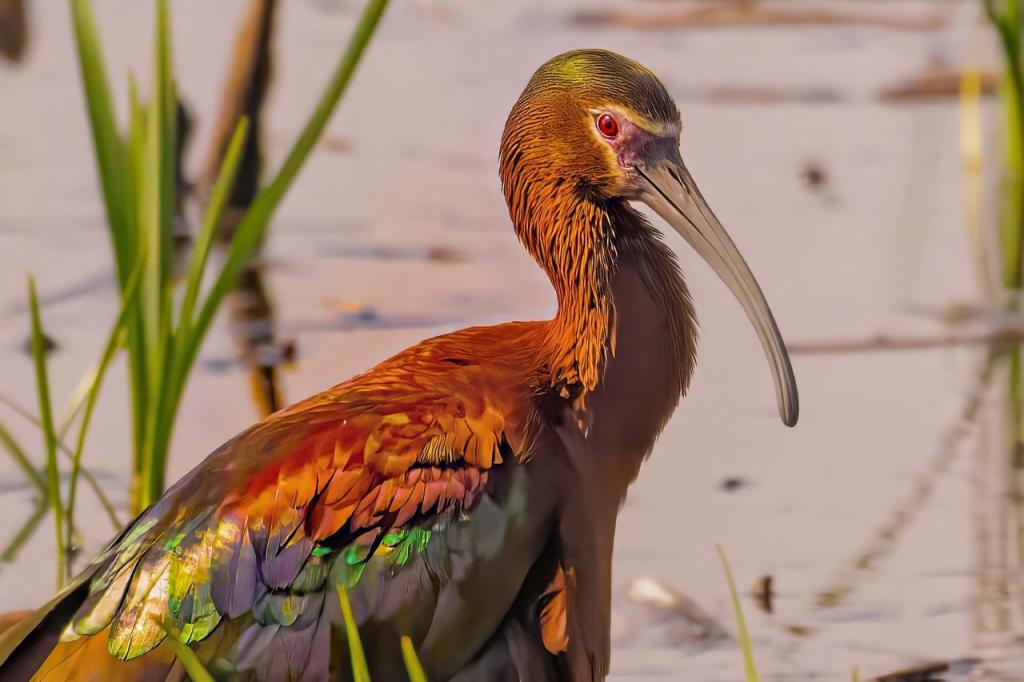
White-faced Ibis, photo by Lane Wintermute

Klamath Basin Wildlife Call to Action

Botulism is again active and spreading quickly at Tule Lake and Lower Klamath NWR. The conditions are similar to the time of July through October 2024 when over 150,000 waterfowl and shorebirds perished from botulism. The greatest potential for botulism is with shallow stagnant or very slow-moving water. Those are the current conditions at Tule Lake and Lower Klamath NWRs. If those conditions do not change then the consequences will be catastrophic.
White-faced Ibis, photo by Lane Wintermute
Read More > Klamath Basin Wildlife Call to Action
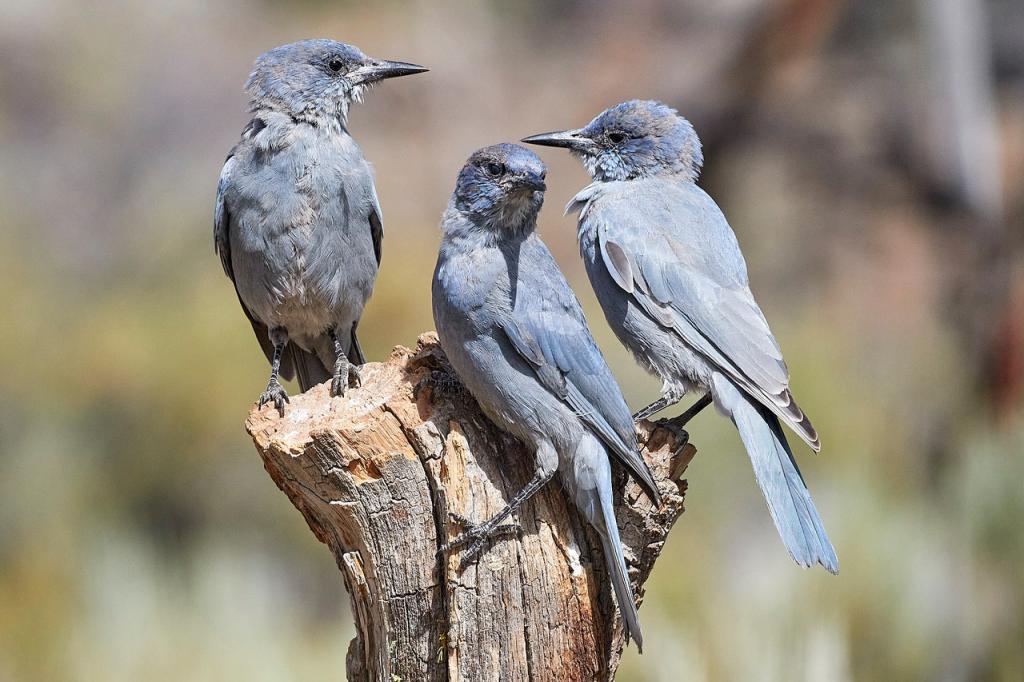
Pinyon Jays, photo by Abbott Schindler

ECBA Pinyon Jay Survey Effort at Nesting Sites in Central Oregon, March-May 2026

Pinyon jay (Gymnorhinus cyanocephalus), a Central Oregon corvid species, is currently under review for listing under the Endangered Species Act (ESA) and has been identified as a Species of Greatest Conservation Need (SGCN) by the state of Oregon in their 2026 State Wildlife Action Plan.
Pinyon Jays, photo by Abbott Schindler
Read More > ECBA Pinyon Jay Survey Effort at Nesting Sites in Central Oregon, March-May 2026