Introduction
Pinyon jay (Gymnorhinus cyanocephalus), a Central Oregon corvid species, is currently under review for listing under the Endangered Species Act (ESA) and has been identified as a Species of Greatest Conservation Need (SGCN) by the state of Oregon in their 2026 State Wildlife Action Plan. Surveys are essential to gather data on numbers, reproduction, threats, and habitat preferences, as pinyon jay ecology in Central Oregon is largely unstudied.
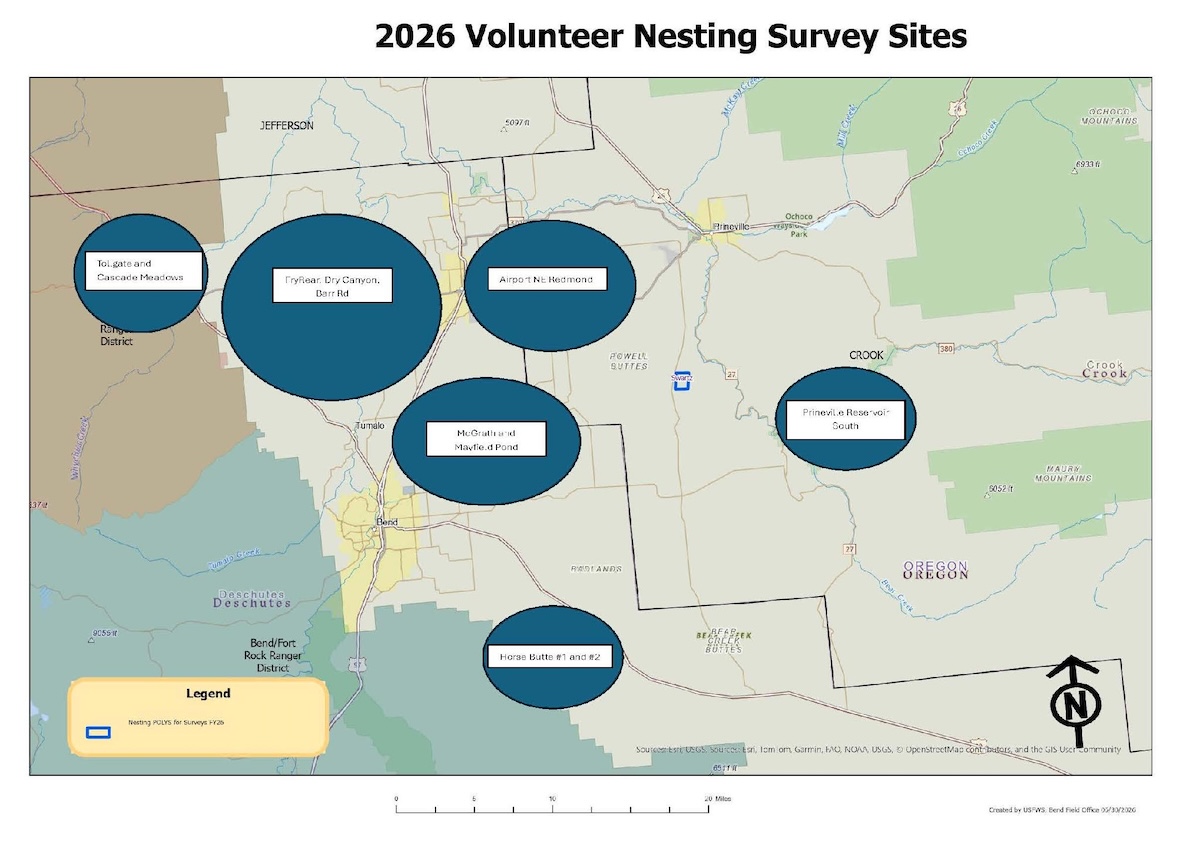
For this project, volunteers from the East Cascades Bird Alliance (ECBA) and personnel from the USFWS . surveyed select sites in Central Oregon with the intent to document presence, numbers, and reproduction within survey polygons that previously had nesting in 2025 . After completing online training prepared specifically by expert Pinyon Jay researchers, as described below, volunteers were paired up and assigned a specific survey site (see Figure 1). Survey protocols recommended teams of two to visit the assigned site three times between March 15, 2026, and May 30, 2026.
In 2026, ECBA volunteers surveyed almost half of 22 nesting sites that needed surveys (12 sites total). Volunteers surveyed 10 known nesting sites and 1 unknown, potential nesting site. Additionally, they found an entirely new nesting site. The 11 known (with 1 potential) nesting sites included the following: Tollgate, Cascades Meadows, Barr Road, Mayfield Pond, McGrath, Airport NE Redmond, Horse Ridge #1 & #2, Fryrear, Dry Canyon, and Prineville Reservoir South. The new nesting site discovered this year was labeled as Juniper Trail.
Methods
Training
Amy Seglund, a biologist from the Colorado Department of Fish and Wildlife, facilitated an online presentation on best practices for surveying pinyon jays. Volunteers received training on techniques to survey nesting pinyon jays, approach nest trees, and document their findings. Further training by provided by USFWS staff who assisted each volunteer by accompanying them to their site at least once.
Surveys
Nest site surveys required volunteers to pair up and visit specific sites selected by and assigned to their team by the USFW lead, Claudia Funari. Volunteers conducted survey visits at their sites on 3 to 4 different days of their choice between March 15, 2026, through May 30, 2026. Survey dates were required to be at minimum 7-10 days apart. The protocol for the nesting site surveys (Guidance for Locating Pinyon Jay Nests and Confirming Breeding from the Pinyon Jay Working Group) and was provided prior to and during the training event.
Communication
The volunteers were coordinated by Laurel Collins (ECBA), Claudia Funari (USFWS), and Miriam Lipsitz (ECBA). Volunteers coordinated with each other throughout the season using a google site to facilitate ongoing communication between ECBA surveyors, professional surveyors, FWS staff, and ECBA volunteer coordinators (Miriam and Laurel).
Survey volunteers included the following: Bob Peck, Wendy Andrick, Laurel Collins, Josh Collins, Claudia Funari, Chuck Gates, Aaron Jenkins, Dr. Matt Johnson, Terri Pope, David Sowards-Emmerd, and Brian Wilk. See Table 1 for each site surveyed by volunteers.
Table 1. Volunteers and Assigned Sites for Survey
| Name | Site Assigned for Survey | Site Status Prior to Survey | Nest Behavior Observed in 2026? |
| Aaron Jenkins/ Bob Peck | Tollgate / Cascade Meadows | Known | YES / Not Complete |
| Brian Wilk and Wendy Andrick | Airport NE Redmond | Known | YES |
| Wendy Andrick | Juniper Trail | New | YES |
| Chuck Gates | Prineville Reservoir South | Potential | YES- but Not Complete |
| Claudia Funari and Terri Pope | Barr Road | Known | YES |
| David Sowards-Emmerd | Mayfield Pond | Known | YES |
| Laurel Collins with either Josh Collins or David Sowards- Emmerd | Horse Butte #1 / Horse Butte #2 | Known | NO/NO |
| Mark Gonzalez | Fryrear / Dry Creek | Known | YES/NO |
| Dr. Matt Johnson | McGrath / Mayfield Pond | Known | NO/YES |
Results
Protocol-Level Survey Completion
Protocol-level surveys were not completed at 2 of the 12 sites (Cascades Meadows or Prineville Reservoir South) due to fewer than three visits implemented by volunteers.
Observations
Volunteers observed pinyon jays at every surveyed site, but not all sites had nesting occur in the same area as previously recorded. Observations of nesting in new areas either within or outside survey polygons were found at the following four sites: Juniper Trail, Fryrear, Dry Canyon, and Barr Road. Juniper trail was a completely new nesting site found incidentally by ECBA volunteers and then confirmed by FWS staff.
Flock Numbers
Flocks observed at survey sites ranged from 20 to 150 individuals. Mayfield Pond recorded the largest flock, with 150 birds observed in flight at one time.
Fledgling flocks observed at Barr Road and Mayfield Pond sites were reported with approximately 10-20 individuals. While surveys occurred at Tollgate into late May, no fledglings were ever observed; although adults were recorded carrying nest material late in the season around May 15th. This and other observations indicate that nesting in certain areas may extend into June, but more documentation is needed in the coming years to verify the extent of June nesting.
Nesting Behavior
Nesting activity was present at all survey locations with the exception of Cascades Meadows, McGrath, Horse Butte #1, and Horse Butte #2. Nesting behavior (nest building, nests, nestling, feedings) was recorded at 8 of the 12 sites: Tollgate, Barr Road, Mayfield Pond, Fryrear, Dry Creek, Airport NE, Juniper Trail, Prineville Reservoir South. While nesting building (carrying sticks and nest material to one location repeatedly) was observed at these nesting sites; some observations of nest building activity were made in mid- May (Tollgate). The earliest nesting behavior detected occurring in early March.
Physical nests were located and recorded at four of the 12 sites: Tollgate, Barr Road, Mayfield Pond, and Juniper Trail. Not every site was surveyed for fledglings, however, fledglings were observed at Barr Road and Mayfield Pond in April and May. Volunteers observed nestlings being fed in a nest at Barr Road in early May.
Lastly, some volunteers started surveying their sites early and were able to document nest building behavior before March 15th. Based on these observations, future surveys will be revised to account for earlier nesting and will commence in late February or early March.
Movement of Nesting Sites
Volunteers recorded nesting sites shifting over 200 meters from past locations at Fryrear, Dry Canyon, and Barr Road. Shifts occurred within or outside the survey polygon.
Summary
In summary in 2026, ECBA volunteers scheduled surveys at 10 previously identified pinyon jay nesting sites from 2025. Nesting behavior was documented at seven of these ten locations. Additionally, nest activity was observed at one newly discovered site and another potential site. This brings the total number of nesting sites surveyed by ECBA volunteers to 12, which was about half the total nesting sites surveyed within Oregon in 2026.
The dedicated efforts of volunteers in collecting and documenting crucial details—such as the timing of nesting, early and late season nest building dates, identification and location of nest trees, movement of nesting sites, and both foraging and fledgling flock numbers—are not only invaluable, but essential for the continued management and study of pinyon jays in Central Oregon. By recording these observations, volunteers provide key insights that allow us to track abundance trends over time, monitor reproductive success at each site, and understand shifts in nesting areas. Their work also yields incidental life history information unique to this region’s pinyon jay populations. Without this documentation, our ability to make informed decisions and protect these birds for future generations would be severely limited. The importance of volunteer-driven monitoring like this cannot be overstated; it helps deepen our understanding of this species in Oregon, contributes foundational information to their conservation, and provides new insights into the species’ biology from diverse perspectives.
COORDINATION CONTACTS
Miriam Lipsitz
East Cascades Bird Alliance, Volunteer Coordinator
Bend, Oregon
Laurel Collins
East Cascades Bird Alliance, Chair Conservation and Science Committee & Board Member
Bend, Oregon
Claudia Funari
Fish and Wildlife Biologist, U.S. Fish and Wildlife Service, Bend Field Office
63095 Deschutes Market Rd. Bend, Oregon
Report prepared and edited by:
Claudia Funari, US Fish and Wildlife Biologist, Oregon Fish and Wildlife Office, Bend, Oregon
and Laurel Collins, East Cascades Bird Alliance.
-

Nesting Site Areas* surveyed by ECBA Volunteers
-
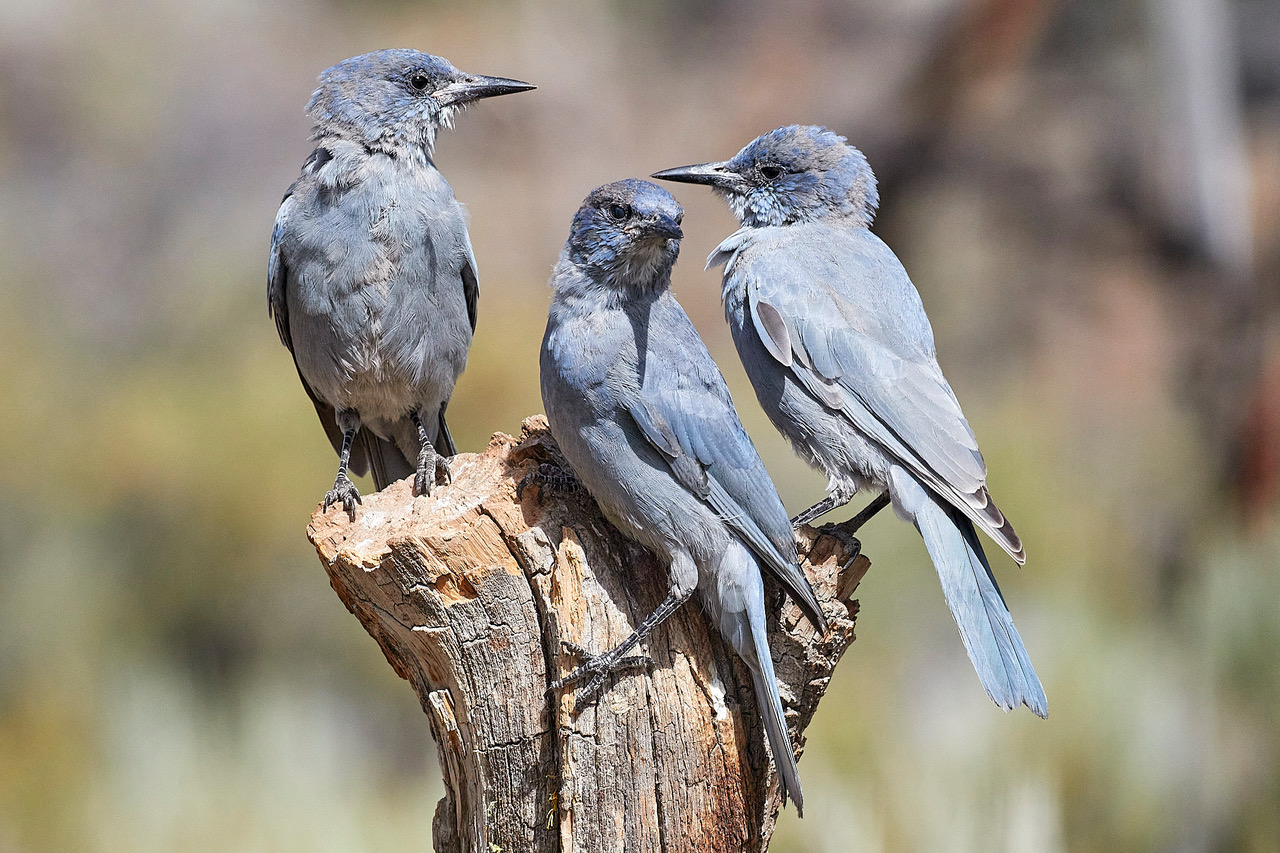
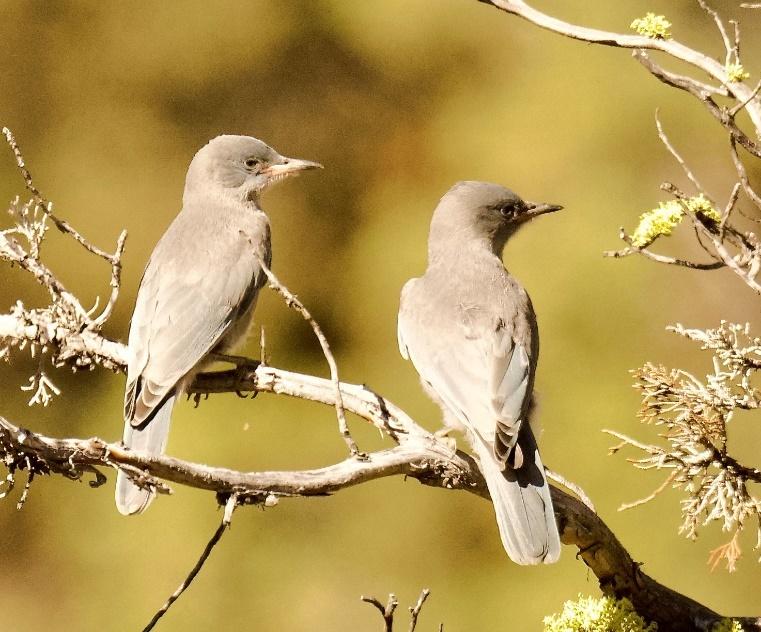
Pinyon Jays, photo by Abbott Schindler
-
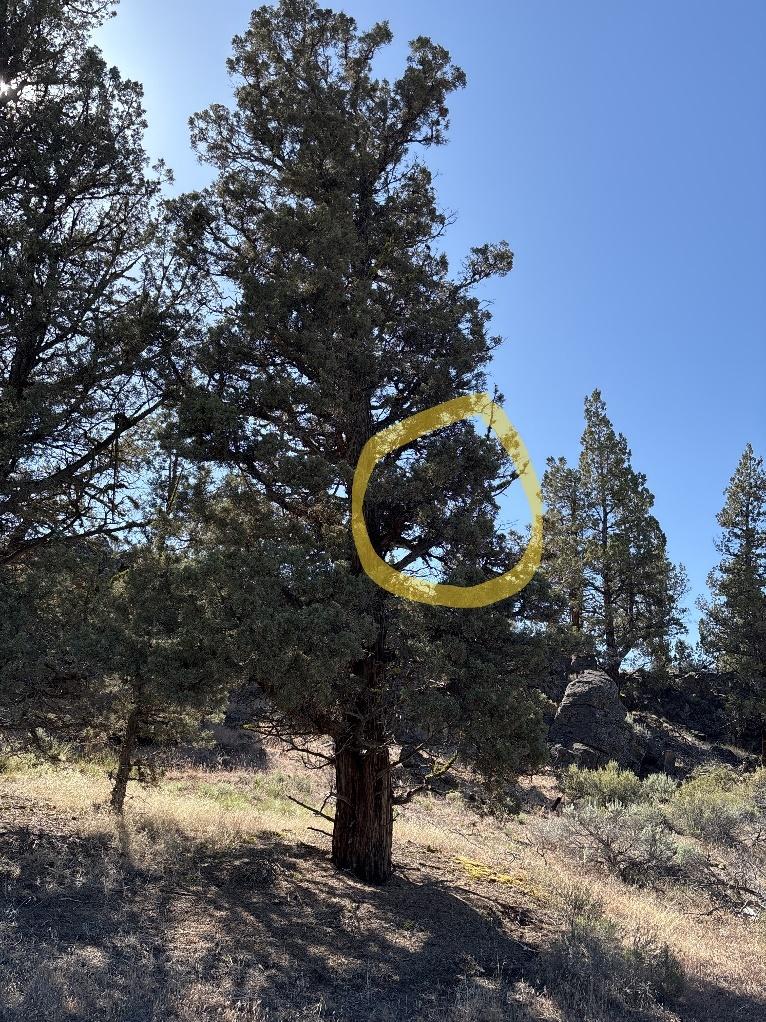
Nest Tree at Barr Road Site (Juniper Tree) – May 2026
-
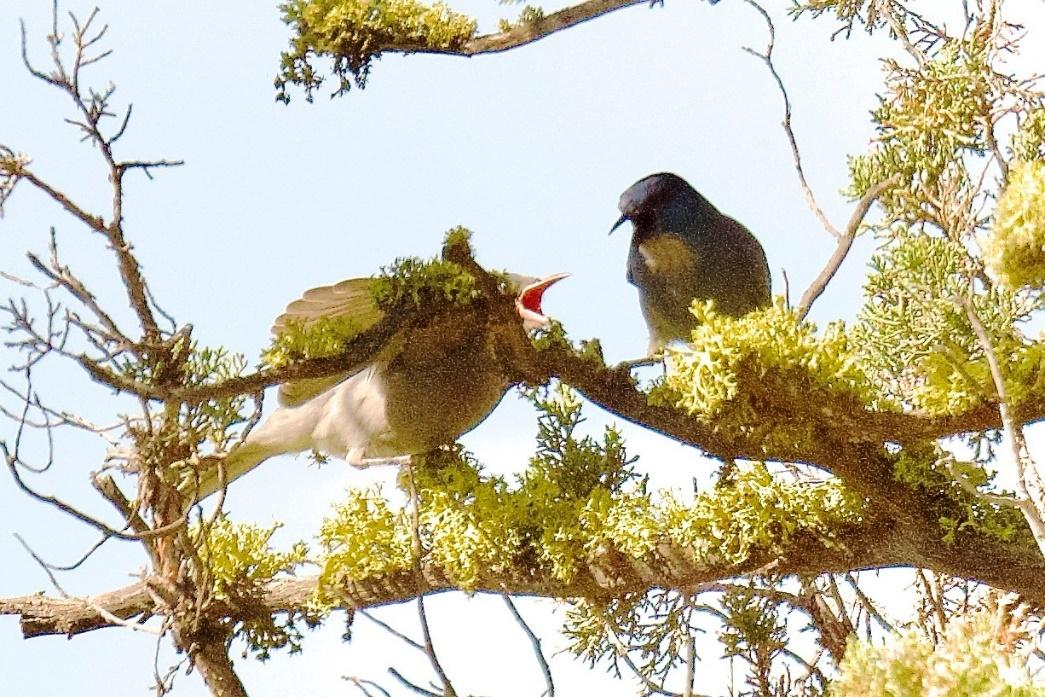
Adult Feeding a Fledgling Pinyon Jay (Juniper Tree) – May 2026
-
Fledgling Pinyon Jay at Barr Road Site (Juniper Tree) – May 2026
-
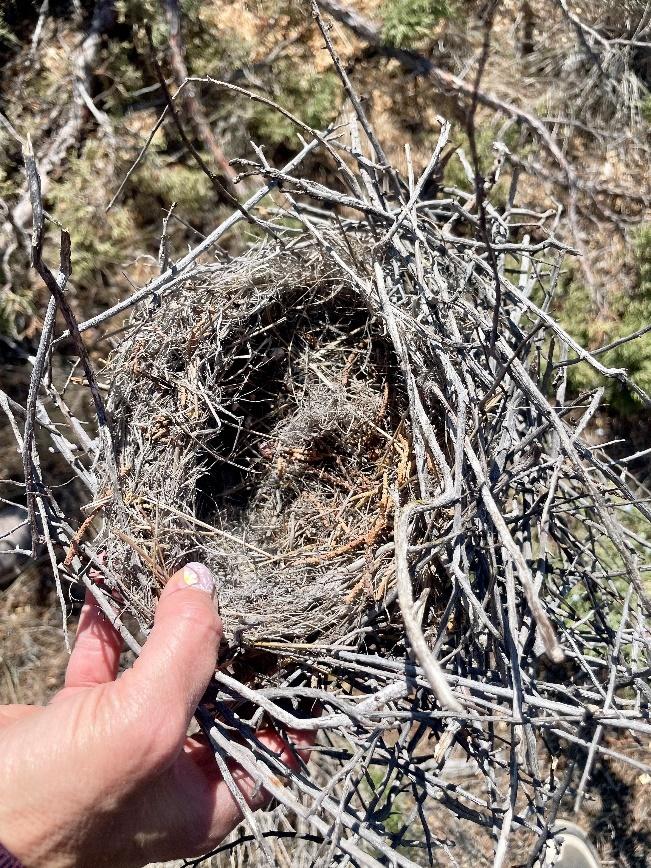
Post-Season Nest at Barr Road Site (Juniper Tree) – May 2026
-
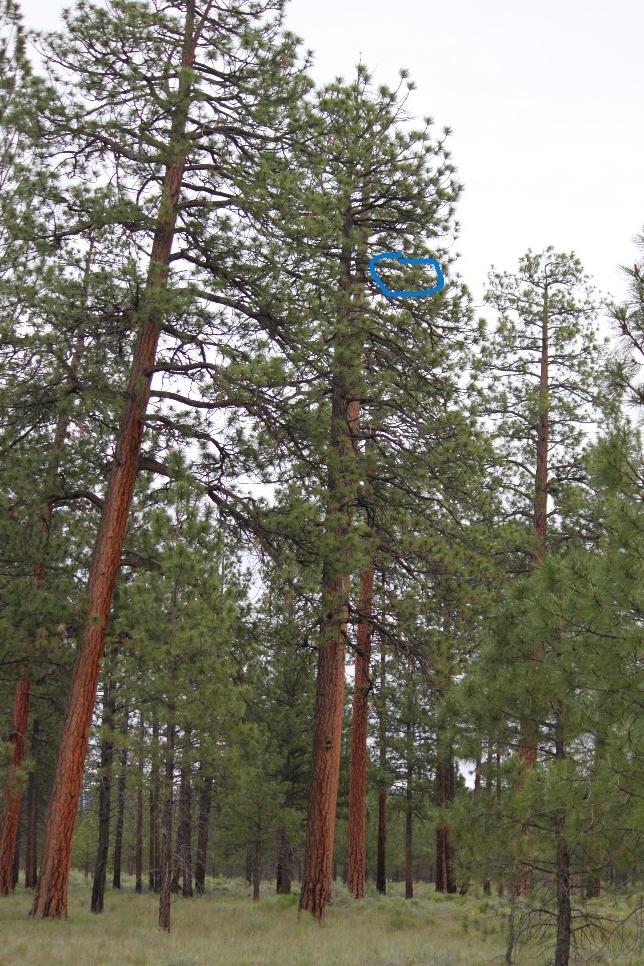
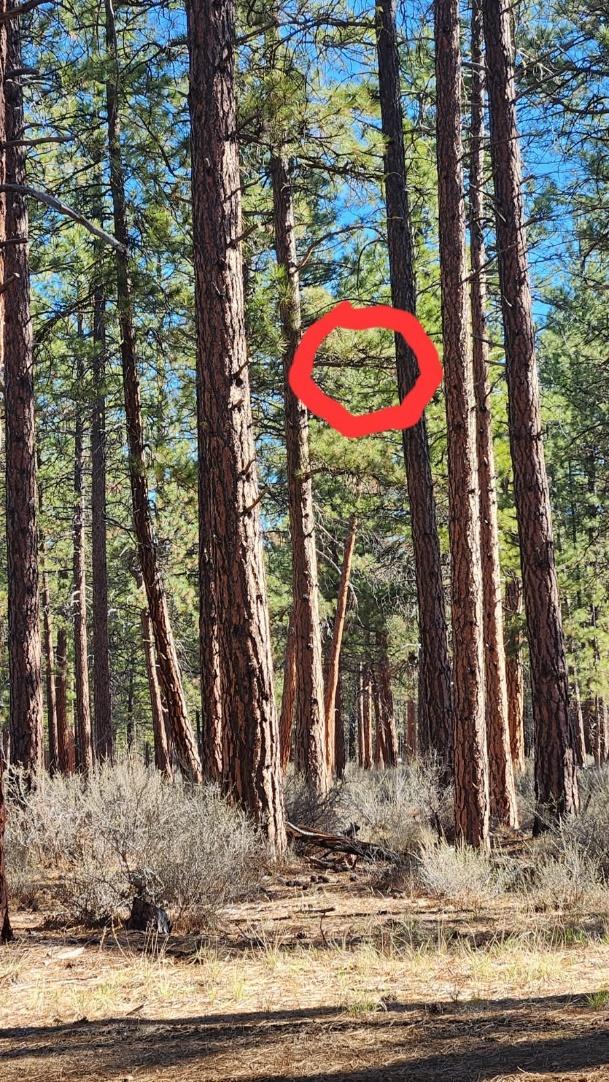
Pinyon Jay Nest at Tollgate Site (Ponderosa Tree) – May 2026
-
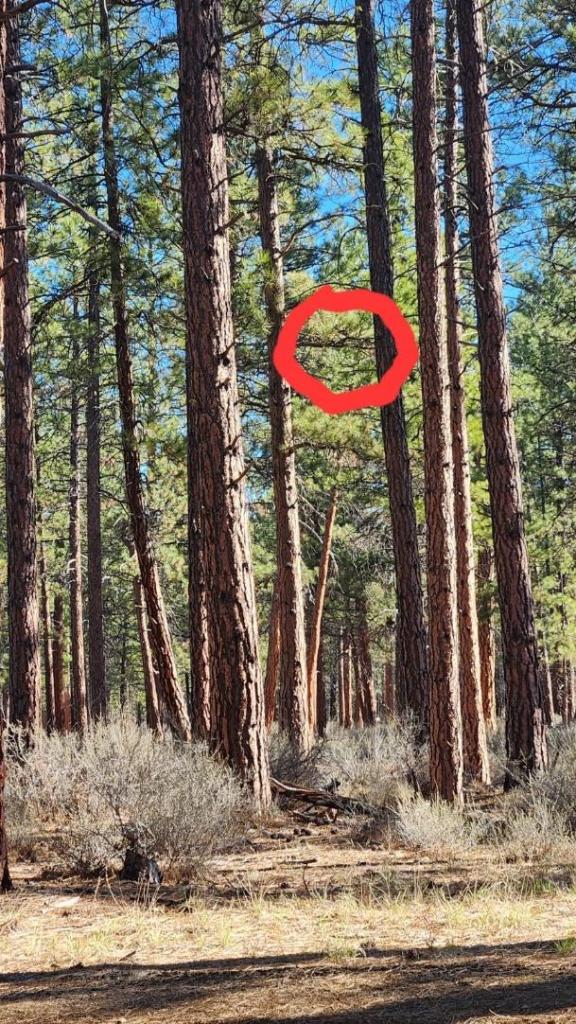
Pinyon Jay Nest Building Tree at Tollgate Site (Ponderosa Tree) – April 2026