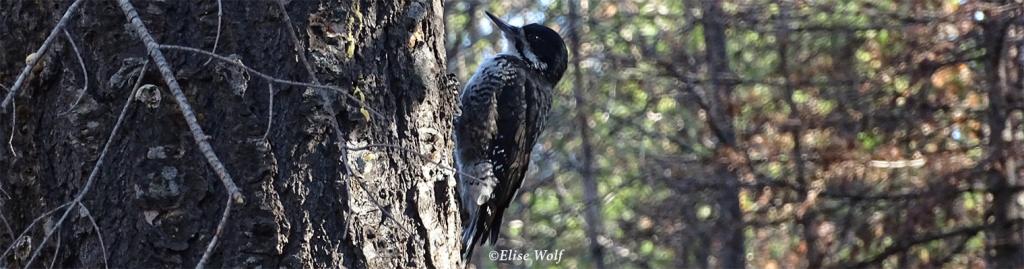
For many people, Project FeederWatch is a treasured winter tradition that brings them wonder, joy, peace, and community. In this short 40th anniversary video, longtime FeederWatchers invite you into their gardens to show you what’s so special about this participatory-science project. Watch the film.
ECBA News >
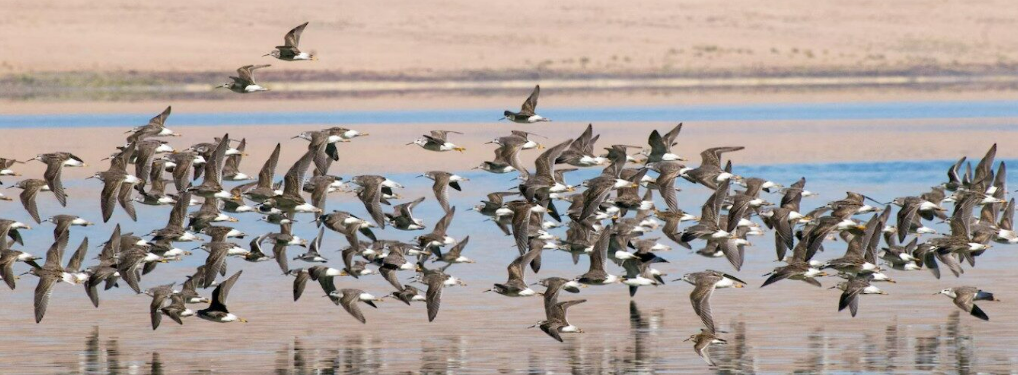
Rivers End Ranch
The Oregon Desert Land Trust (ODLT) is working to acquire Rivers End Ranch—a 6,369-acre private property with significant water rights sitting directly adjacent to Lake Abert, the only hypersaline lake in the Pacific Northwest.photo by Ron Larson
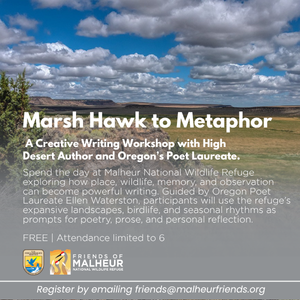
Marsh Hawk to Metaphor; A creative writing workshop
Lead by High Desert Author and Oregon’s Poet Laureate Ellen Waterston Spend the day at Malheur National Wildlife Refuge exploring how place, wildlife, memory, and observation can become powerful writing. Guided by two-time Oregon Poet Laureate Ellen Waterston, participants will use the refuge’s expansive landscapes, birdlife, and seasonal rhythms as prompts for poetry, prose, journaling, and personal reflection.
Bird Alliance of Oregon’s 46th Wild Arts Festival
Explore beautiful artwork, nature-inspired books, an array of silent auction items, and much more. When you make a purchase at the Wild Arts Festival, you’ll be supporting Bird Alliance of Oregon’s mission to inspire all people to love and protect birds, wildlife, and the natural environment upon which life depends.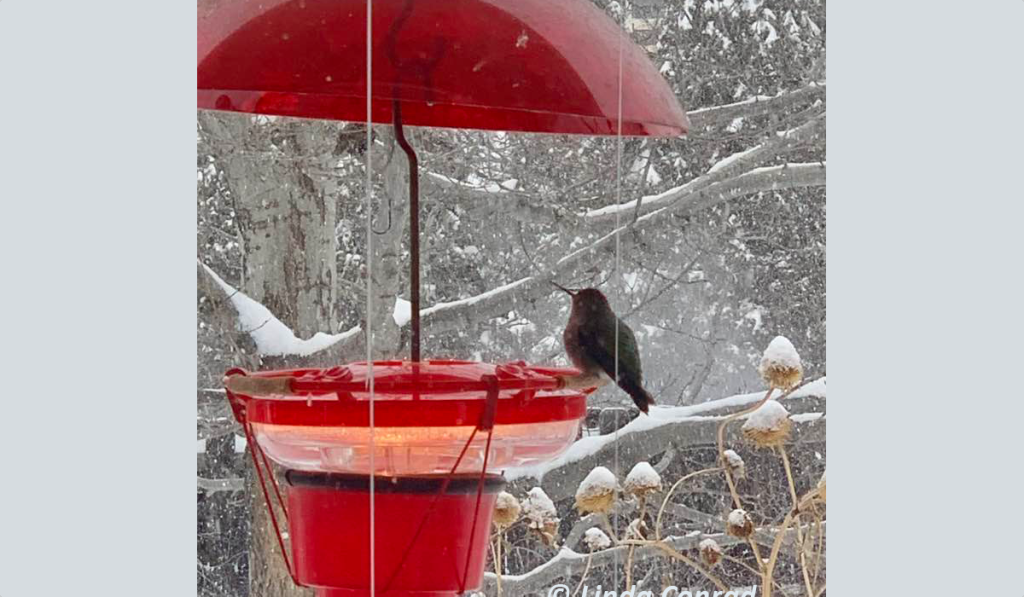
Caring for Winter Hummingbirds
Hummingbirds are remarkable little survivors. Despite their tiny bodies and extraordinarily high metabolisms, some can endure winter conditions that seem almost impossible. But surviving an occasional freezing night and surviving weeks of severe winter weather are two very different things.Photo by Linda Conrad
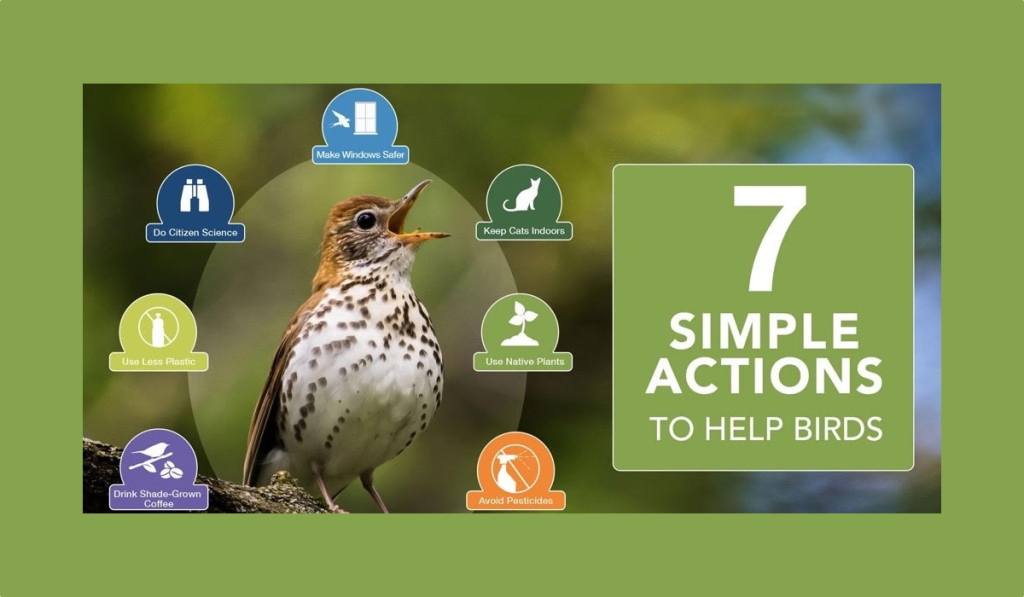
Seven Simple Actions to Help Birds
In 2019, scientists documented North America’s staggering loss of nearly 3 billion breeding birds since 1970. Helping birds can be as simple as making changes to everyday habits. Here’s our quick list of 7 Simple Actions you can take to help birds.Article courtesy of Cornell Laboratory of Ornithology