SAVE OUR MIGRATING BIRDS
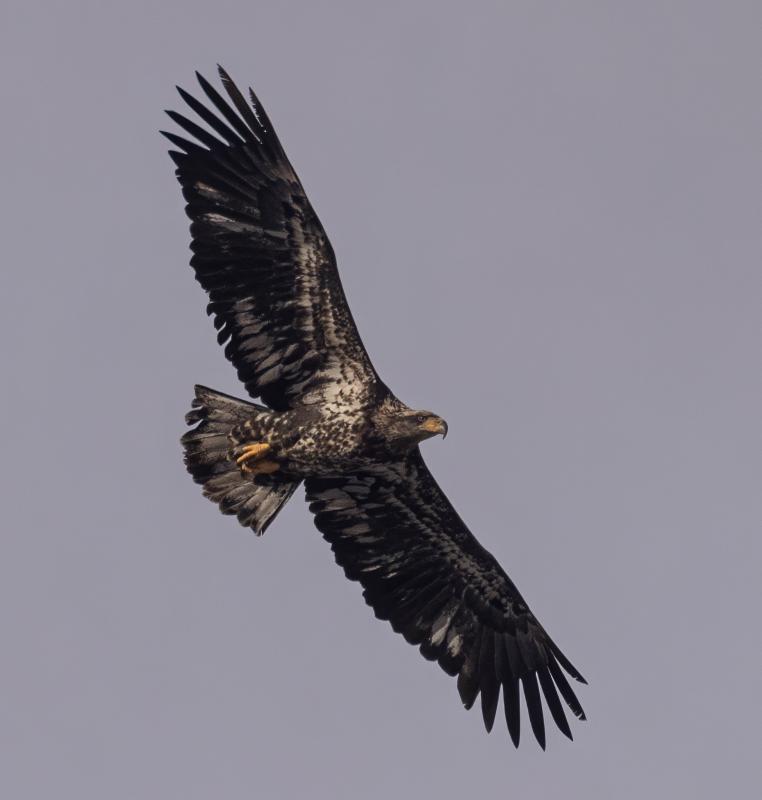
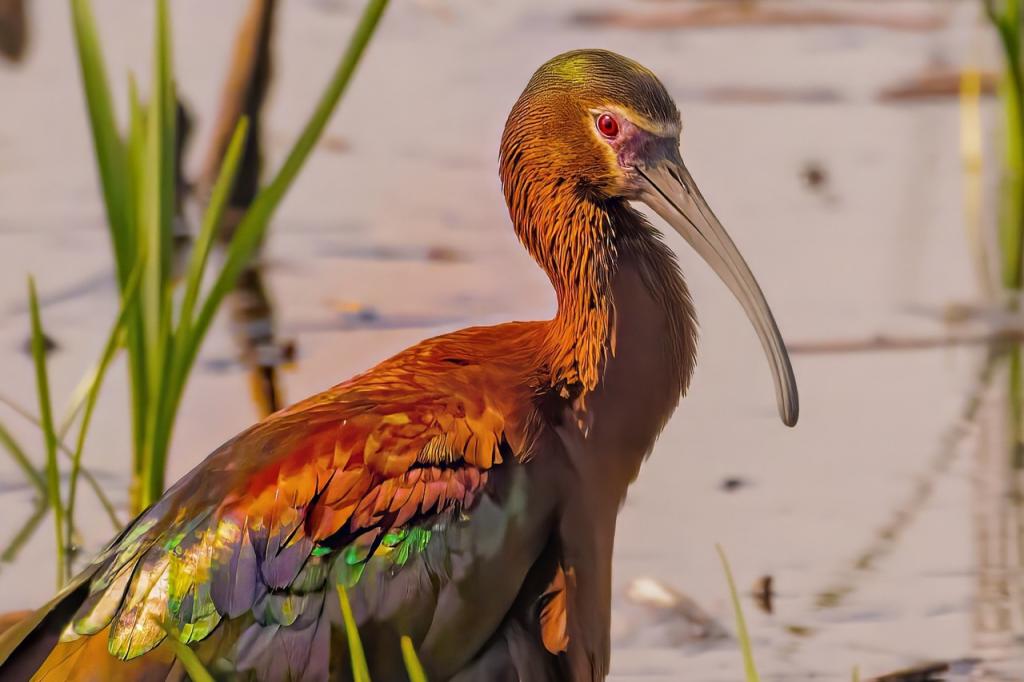
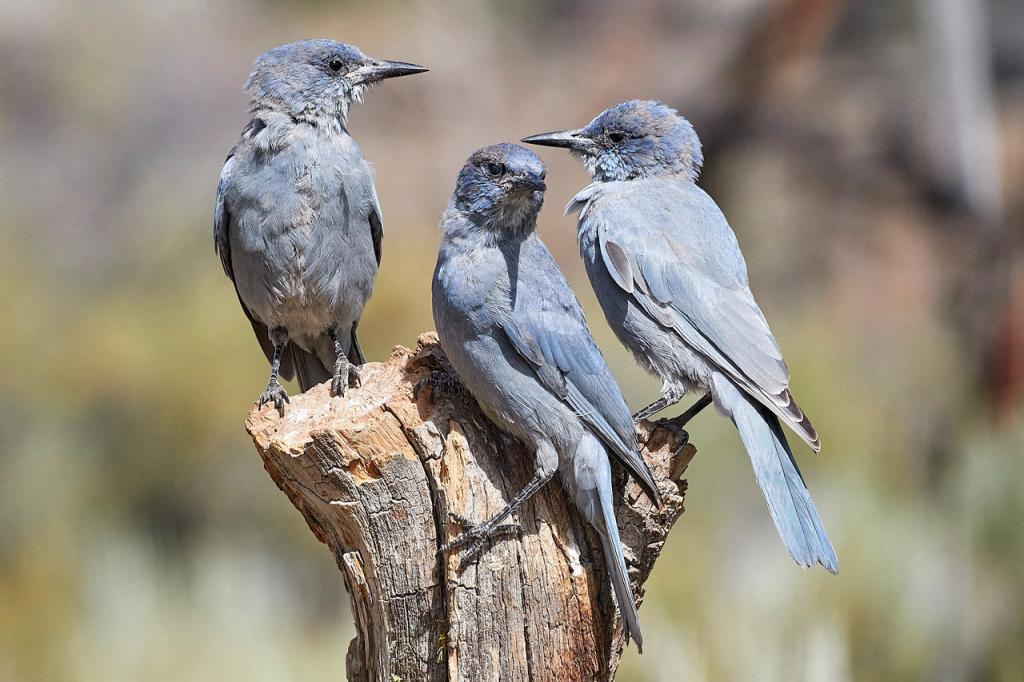
Ah, hiking in Central Oregon in the next month, I look forward to seeing ducks and geese flying overhead. A sign that fall migration is in progress. But it is not just ducks and geese that migrate. Central Oregon will have over 150 species of songbirds overhead as well as shorebirds and waterfowl. And, did you know that 80% of them fly over at night! These birds need your help.
Light pollution can confuse and disrupt their migration, using up energy reserves that are badly needed. Light pollution can attract migrating birds into urban areas and increase the likelihood of bird collisions into reflective glass.
How can you help? The Lights Out program supported by East Cascade Bird Alliance, Bend Night Sky Alliance and Think Wild and other groups gives us some easy answers with positive effects.
Reduce Artificial Light from 11pm -6am.
- Turn off unnecessary lights in home and office
- Turn off outside lighting fixture or especially replace outside lights with amber bulbs
- Use sensor-controlled outside lights and shielded downward-facing lights
- Close your blinds and drapes
- Keep cats indoors during peak migration nights
We often think of seeing migrating birds during the day; however, 80% migrate at night as per Natl. Audubon Society, when winds are more stable and cooler giving a more efficient flying pattern. Migrants, in part, use the stars to guide their route. Reducing light pollution along their flight path helps them save energy and keeps them on track. However, artificial light sadly attracts migrating birds into areas where they are doubly at risk of death by collision with glass in buildings and structures. Birds can also hunt moths attracted to this light as well and collide with glass.
As stated by Elise Wolf, of Native Bird Care, a local wild bird rescue center, “Central Oregon’s biggest threat is the large, even massive, windows people and businesses install. Statistically, residential homes have the largest impact in bird collisions. There is glass everywhere in Central Oregon.” Let’s help by preventing light pollution and installing collision-prevention solutions. The Bird Collision Prevention Alliance (BPCA) and the American Bird Conservancy are great sources for information on how to make our homes and skies safe for birds. Bird-safe building regulations would help, too
Peak migration here is from mid Sept through mid- October and lasts into November. Cornell Labs Bird Cast estimated 857,000 birds flew over Deschutes Country on Oct 15, 2025. Be aware especially during Peak times. Use: BirdCast.org It is a predictive live, colored migration map. You can watch how much, where, and when migration is occurring in real-time. Use this tool to predict peak migration in Deschutes County. Then follow the steps listed above to help positively.
Reducing light pollution in Central Oregon is an important goal for the health of wildlife and also for human health. Be bird-friendly this fall and year-round. Lights Out is your first step.
Barb Rumer Bend, OR
For more information or to help: contact@bendnightsky.org